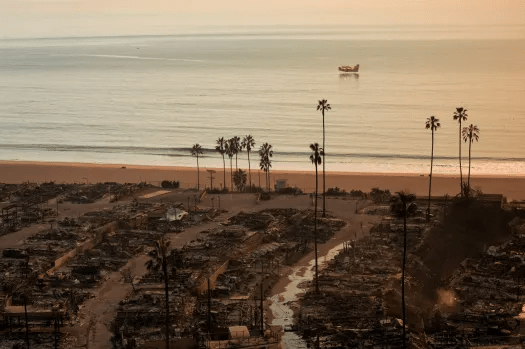
Los Angeles is a combination of vibrant urban life and dazzling natural beauty. With its dry climate, the periodic Santa Ana winds, and heavy vegetation growth, it has been repeatedly battling wildfires over the years. The recent sweeping of the area by fires brought disruption not only to life itself but also has brought a realization of their broad environmental impacts-particularly on surfing and ocean health. Herein is an in-depth situation look and ways residents can get themselves and their environment protected.
The Toll on Residents
These wildfires have resulted in mass evacuations, destroyed property, and health hazards in Los Angeles because of the air quality. People who stay near the sites of occurrence also suffer from:
- Air Quality and Health Risks: The fires release a great amount of smoke and fine particulate matter, PM2.5, which could induce respiratory problems, asthma, and long-term health effects. Long-term exposure to such pollutants may also increase the risk for cardiovascular diseases, especially in vulnerable groups like the elderly, children, and people with pre-existing conditions.
- Displacement and Evacuation: Thousands of residents have been displaced, who are being accommodated in emergency shelters. Short-term housing shortages can heighten stress and create logistical challenges for families trying to stay together.
- Economic Loss: Besides property damage, businesses in the affected areas are disrupted, thus putting a financial strain on the local communities. Loss of agricultural land and infrastructure further amplifies the economic toll that is incurred in livelihoods dependent on constant production.
- Emotional Stress: The trauma of losing homes and belongings, coupled with uncertainty, impacts mental health significantly. Studies have shown that natural disasters increase rates of anxiety, depression, and post-traumatic stress disorder (PTSD), emphasizing the need for accessible mental health resources.
Steps Residents Should Take
- Stay Informed: Monitor local news, emergency alerts, and updates from Cal Fire or the National Weather Service. Download apps that provide real-time fire updates and safety tips.
- Create an Emergency Kit: Store in it water, nonperishable food, medications, important documents, and a first-aid kit. Add N95 masks for smoke inhalation, flashlights, extra batteries, and a portable charger for your phone.
- Create a Defensible Space: Lower the risk of fire by cleaning vegetation and other flammable material around your house. Prune trees, get rid of dry leaves in trees and yards, and use fire-resistant roofing materials.
- Install Air Purifiers: Ensure good indoor air quality during and after the fire with the help of HEPA air purifiers. Keep your windows and doors closed to avoid the infiltration of smoke.
- Plan Escape Routes: Familiarize yourself with numerous ways out in a fire. Share a plan of escape routes with all family members, practicing the actual drilling of such plans.
- Support Recovery Efforts: Donate to relief organizations or volunteer to help affected communities. Rebuilding efforts often depend on community support, and donations can make a huge difference.
- Get Involved in Fire Prevention Education: Take initiative in learning about fire safety measures, such as proper disposal of flammable materials, and advocate for fire-resistant landscaping in your neighborhood.
Wildfires and Surfing: A Ripple Effect
The Los Angeles coastline is a surfer’s haven, hosting some of the best waves in the world. In contrast, wildfires can disrupt this ecosystem in many ways:
- Runoff Pollution: The post-fire rains wash ash, soot, and debris into rivers and streams that eventually flow into the ocean. These have caused turbid hazardous conditions for surfers. It also carries heavy metals with it, and other pollutants that fall to the sea floor, affecting marine habitats.
- Impact on Water Quality: The toxic chemicals from burnt structures, vehicles, and vegetation mixes with the runoff, leading to water contamination. High levels of bacteria and pollutants may lead to skin irritations, gastrointestinal problems, and infections among surfers.
- Altered Wave Conditions: Debris in the ocean disrupts wave patterns, affecting the quality of surf breaks. Besides, submerged debris may also result in damage to surfboards-a danger to the surfer.
- Displacement of Wildlife: Fires disrupt local wildlife habitats that may indirectly affect marine life along the coast. The displaced animals and altered food chains can lead to imbalances in coastal ecosystems.
How Surfers Can Stay Safe
- Check Water Quality Reports: Before heading out, check out websites like Heal the Bay or Surfrider Foundation for updates on ocean conditions. These organizations provide detailed reports on bacterial levels, water clarity, and other safety indicators.
- Avoid surfing: for at least 72 hours after rainfall to minimize your contact with contaminants from runoff. This is especially the case when one is surfing next to river mouths or outlets of the storm drains.
- Wear protection-wetsuits: and earplugs reduce the direct contact between polluted water and the surfer’s skin. At the end of the surf, take a proper shower with fresh water to wash off all the contaminants. Don’t forget your surf gear and surfwear.
- Support Ocean Cleanup Efforts: Join local beach cleanups to remove debris and pollutants. Your efforts can contribute to safer and cleaner surfing conditions while protecting marine life.
- Advocate for Sustainable Practices: Support initiatives aimed at reducing fire risks and improving water management to minimize future pollution.
The Impact on Ocean Ecosystems
Wildfires contribute to significant environmental challenges beyond their immediate vicinity:
- Marine Pollution: This includes the ash and debris that enter the ocean, altering marine biodiversity by interfering with food chains and sensitive species, and leading to a reduced population of fish; this is a challenge for those industries dependent on sustainable fishing.
- Coastal Erosion: Vegetation lost as a result of a burn leads to soil erosion, depositing large amounts of sediment in the ocean. It is these sediments that smother the coral reefs and other marine habitats, reducing biodiversity.
- Oceanic Carbon Absorption: Large amounts of carbon dioxide are emitted from fires, which impacts the ocean’s ability to act as a carbon sink. Additional carbon, in turn, contributes to climate change, causing sea levels to rise and ocean temperatures to alter.
- Acidification and Hypoxia: Heavy runoff can cause algal blooms, which consume most of the oxygen, creating dead zones that may be harmful to marine life. These “dead zones” make the ocean ecosystems less resilient to the recovery of other stressors.
- Impact on Recreational and Commercial Use: It causes polluted waters, disrupted ecosystems that may further create temporary closures of beaches, thus affecting tourism and local economies reliant on ocean activities.
What to Do to Lesson the Impact?
- Reforestation Efforts: Planting native trees and vegetation is one way to help stabilize the soil and reduce runoff. Community-led reforestation efforts can rebuild the habitats and restore balance to the area.
- Implement Green Infrastructure: Wetland construction and bioswales can curb pollutants before reaching the ocean. Other benefits of wetlands and bioswales also include providing great habitats for fauna and efficient management of runoff from storms.
- Climate Action: Advocate for policies centered on reducing greenhouse gas emissions and putting more money toward renewable energy to address the fundamental causes of climate-related catastrophes in a collective manner.
- Community involvement: The community should take part in the initiatives for fire prevention, coastal conservation, and sustainable practices locally. Joining organizations that address both land and ocean health can help multiply your impact.
- Public Awareness: Raise awareness campaigns on the connections between wildfires, pollution, and ocean health to spark actions at both an individual and community level.
Action Needed
The recent fires just showed how interlinked the environment and community are. While the immediate priorities were to fight the fire and support the residents affected, a lot of concentration must be given to the consequences this would have for our oceans and the surfing fraternity in the long run. Not only for good recreation, but the good health of the coastal ecosystems has to be made sure for biodiversity and economic stability.
By being informed, prepared, and proactive, residents and surfers alike are able to work through these challenges and contribute to a more resilient and sustainable future for Los Angeles. We can work together to protect our shores, preserve our waves, and ensure a healthier environment for future generations.
 Venice Beach Club
Leave a comment